We get it – you’re tired of being on video calls all day. After an extended period of remote and hybrid work environments, we know video meeting fatigue is real. We can all be excused if we pass on a meeting or simply turn our cameras off now and again.
Additionally, a prolonged remote work environment, with little in-person face time with supervisors, execs, and colleagues, can leave even the most confident employee unsure of where they stand professionally. So it’s fair to ask:
- How do you stand out in a remote working environment?
- How do you showcase that you’re engaged with your teams?
- How do you demonstrate that you’re a productive employee?
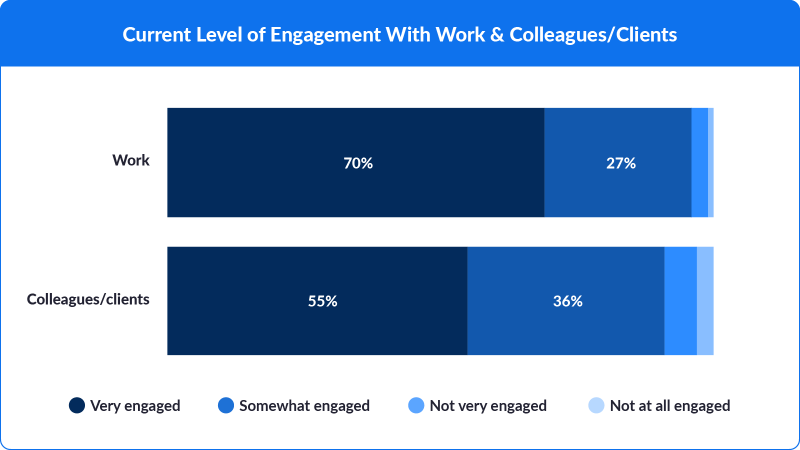
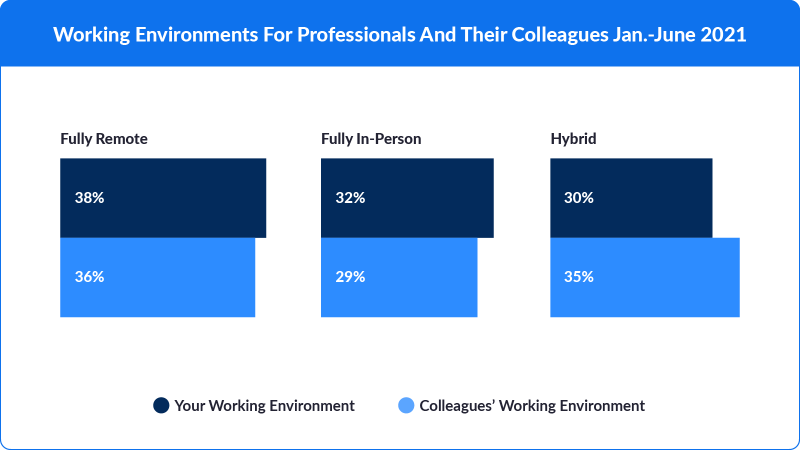
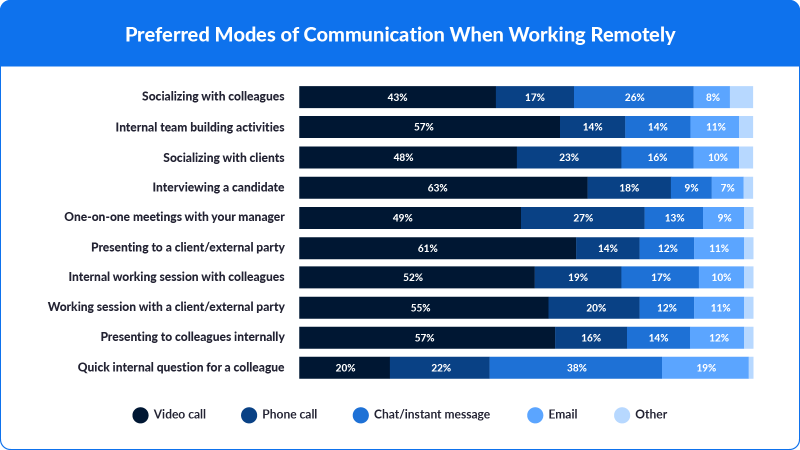
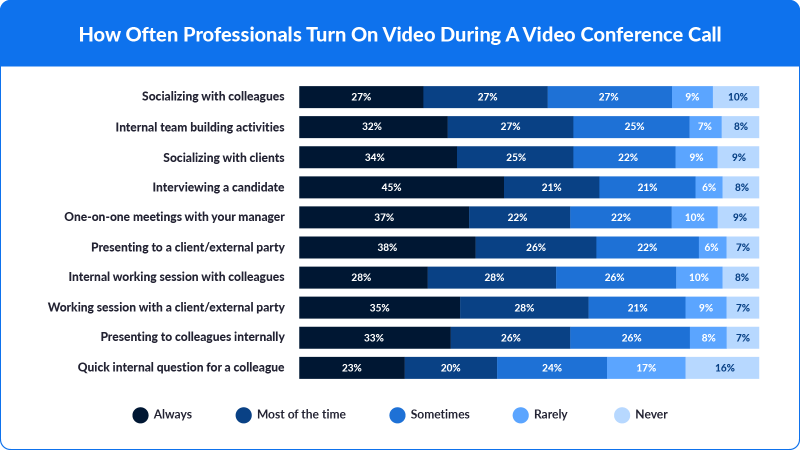
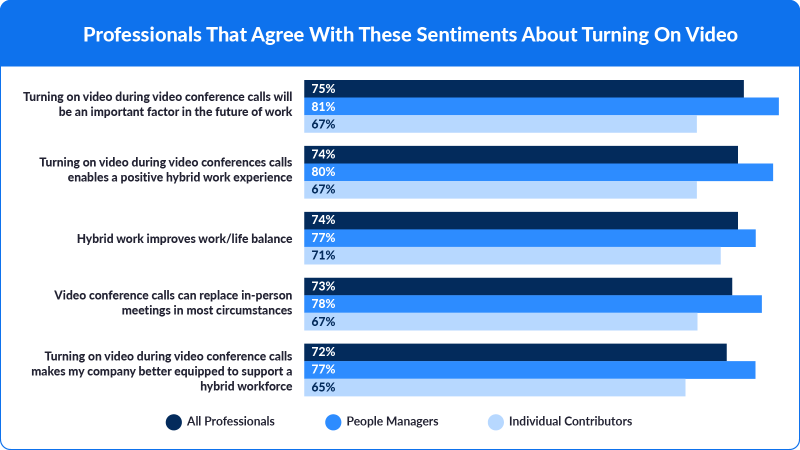
We surveyed U.S. workers using audio and video communication platforms to connect with colleagues and customers on their communication habits. We learned that even after many of us have relied on video communications for the better part of 18 months, professionals across industries believe there’s significant value in video meetings, and specifically, in turning their cameras on during those meetings.
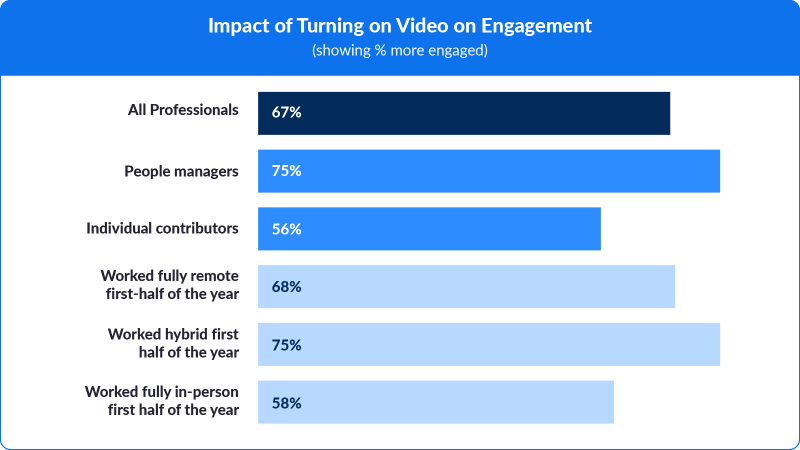
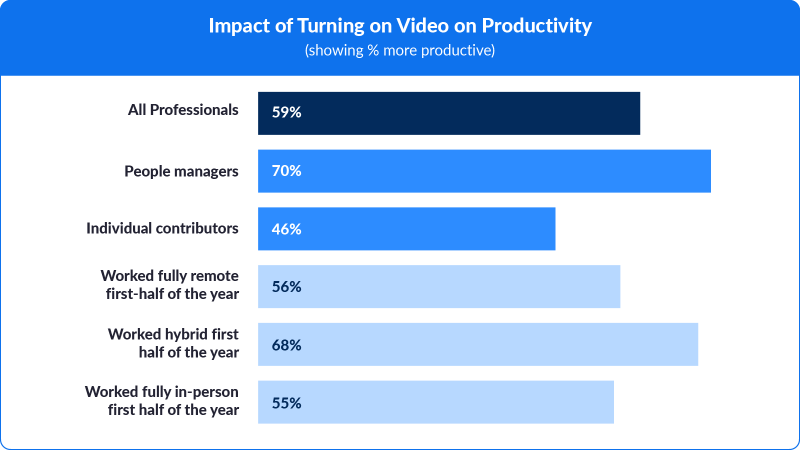
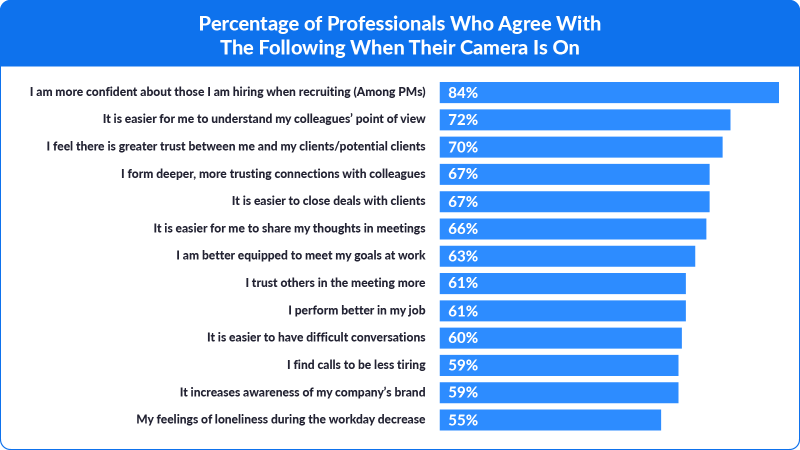
According to the survey, commissioned by Zoom and conducted by Morning Consult, “video on” helps people increase productivity, engagement, and trust. It can also help improve your boss’s or colleagues’ overall perception of you as an employee.
But it’s all about balance, and choosing when and where to use video is often the key. In fact, 71% said that information on some video calls would be better sent in a chat or email.
Read on to discover when people turn video on during virtual meetings, when they don’t want to, and when you should, too.